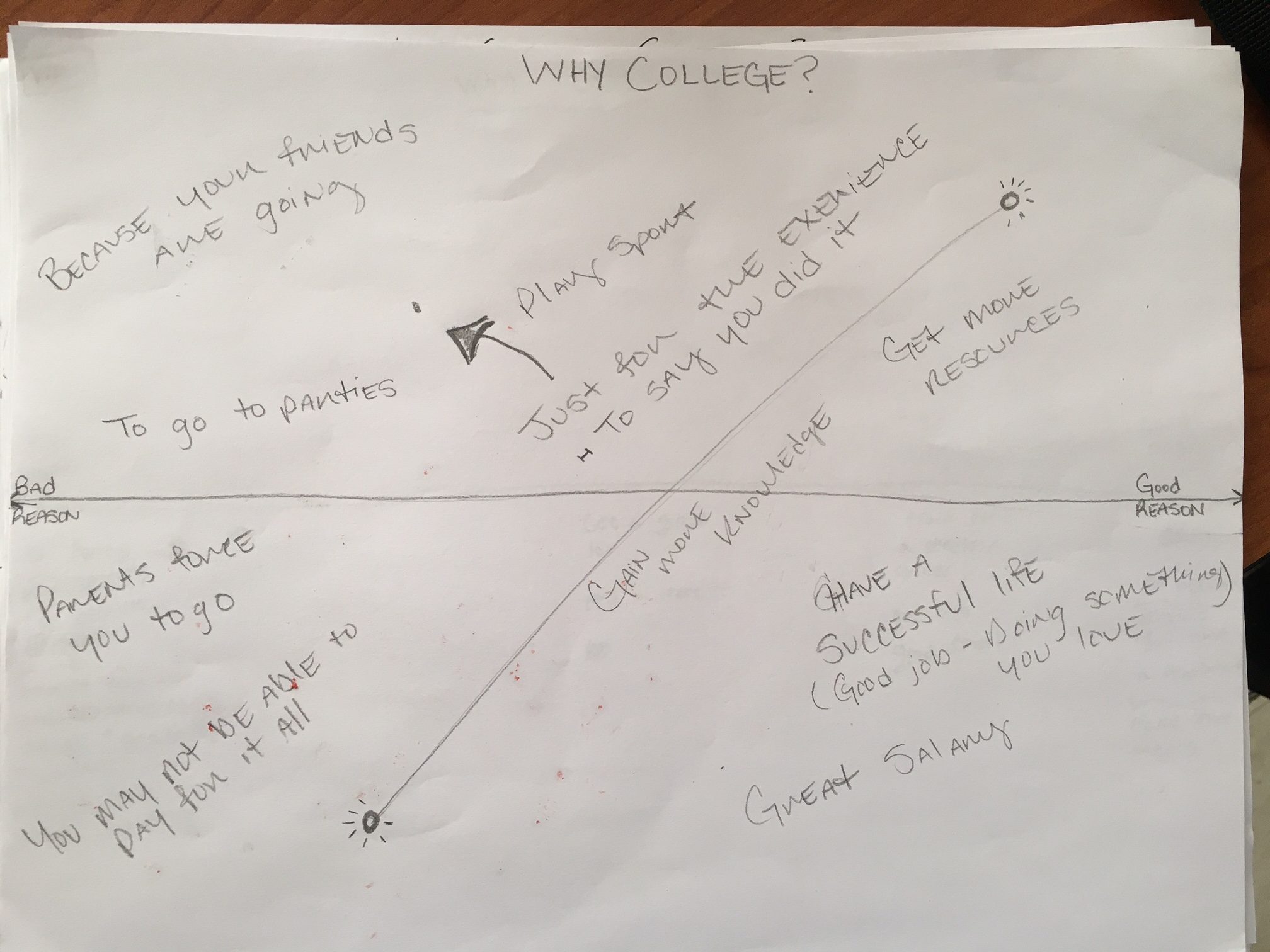
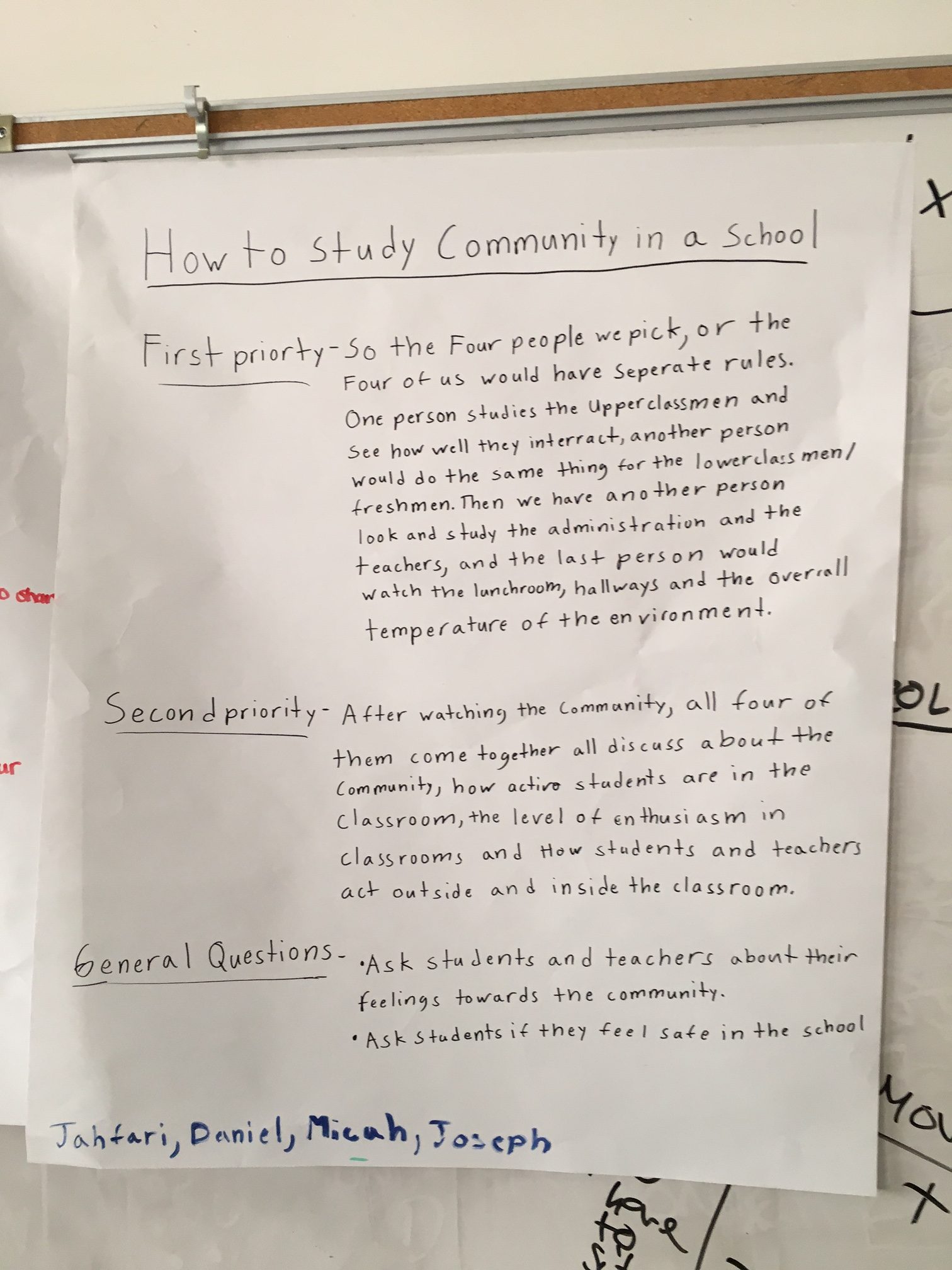
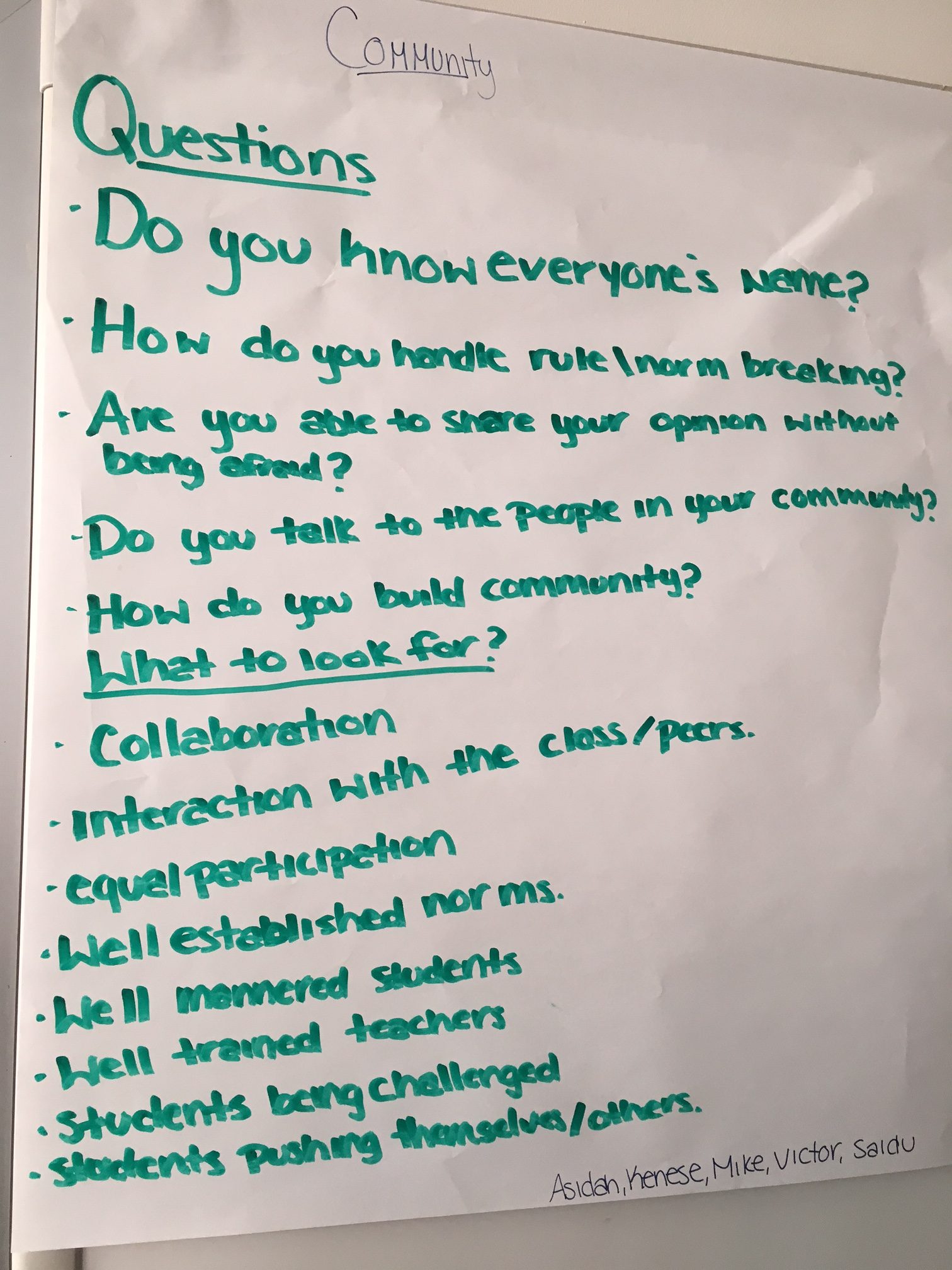
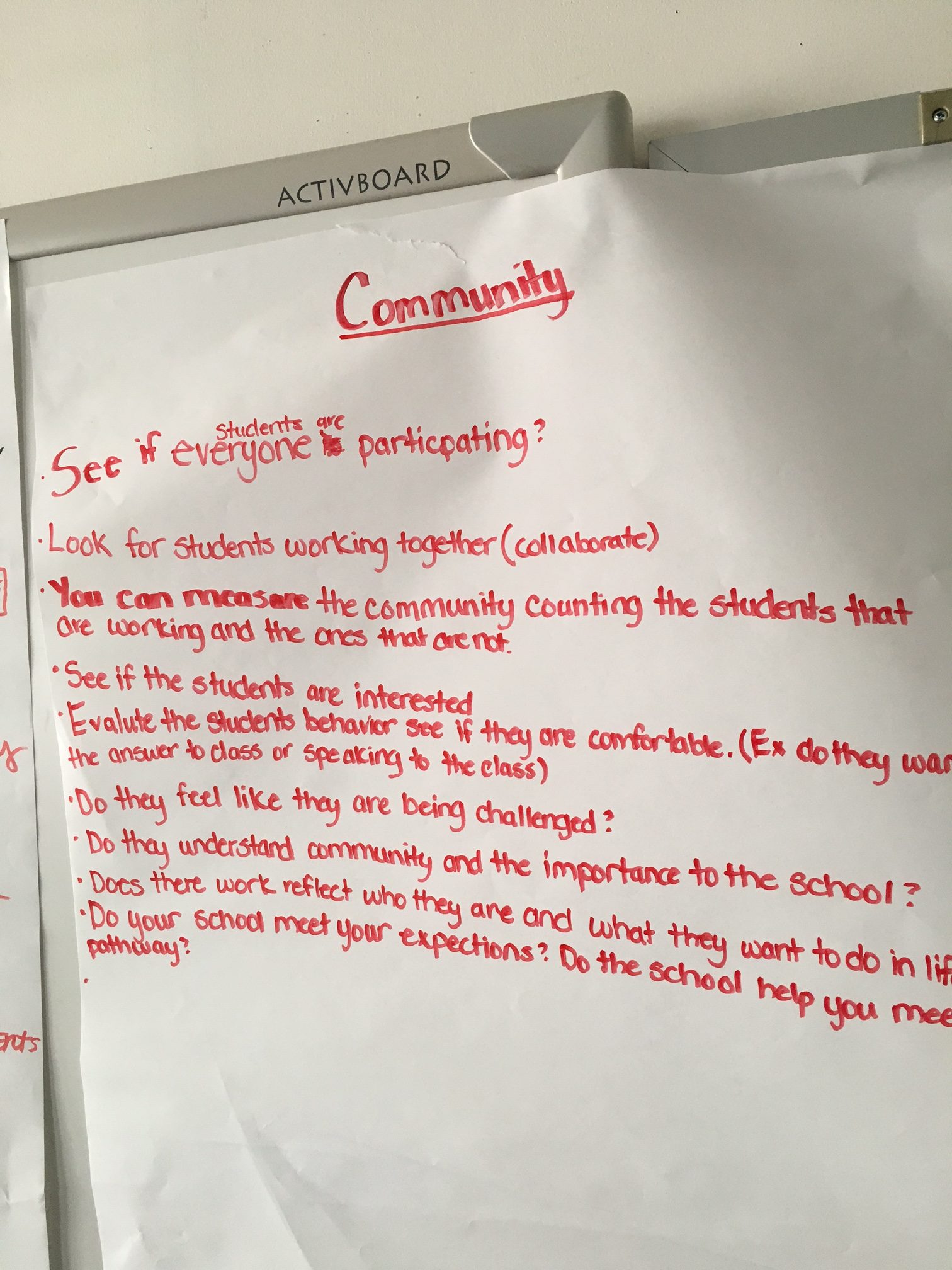
This would have been perfect at the beginning of our compost design unit.
Great find AS.
This would have been perfect at the beginning of our compost design unit.
Great find AS.
One: A phone call to my cellular provider. Nausea at what I was paying. Cut bill significantly.
Two: Compost tea. Will be ready in thirty-six hours. Did not add molasses. Hope this can be fertilizer for plant starts.
Three: Bracket for FIFA2016 Champions League. Played three games. Barca won Champions League after two Bayern players sent off in last match.
Four: Ribs, KT style, Eight hours in oven at 250 degrees after extensive rub and refrigeration.
I’ve said it before, and most teachers feel it, that the side comments made by students are often among the most telling. We’re gearing up for the end of third quarter and I’ve got five groups preparing submissions for the FPAC compost competition. Students have their self-selected projects as well. We were talking about next quarter where I hope to engage in researching an event from Philadelphia’s past and writing a feature article of some sort on it followed by the writing of a play based on that event for submission to the Philadelphia Young Playwrights Contest.
The usual moaning, wailing, gnashing of teeth, rending of garments occurred when I mentioned this plan. And one student in particular was incensed that we were involved in another contest. (We did studentcam during second quarter and sadly none of our films were among the top 150.) I asked why and here’s what he said:
“Because we have to work off of their timetable.”
Exactly.
Bundled into that comment is also the fact that we have to work off of someone else’s criteria and standards of excellence. As the teacher, that’s what I want — an understanding that life doesn’t revolve around what the teacher says but that there are real standards for all sorts of work. These are standards that you need to have internalized if you want to do real work in the world. And while there are grades (we are a school after all), I do everything I can to underscore how the work we’re doing for grades actually supports the projects going out into the world. It also makes me wonder what would happen if I simply set up a contest and let the students back plan the process. For some, they’d have careful timetables and would set their own deliverables. For others, we’d have a last minute rush. (Wait, that’s what we have now and I structure this project block. Hmmmm.)
Several students also mounted the “life isn’t a competition” argument. I wish this was true and twenty years ago I would have agreed with the students. There are problems with seeing work as a competition, particularly when it erodes the culture of the community. If we had students wrecking each other’s projects to ensure their own success, then I’d be worried. If competition fostered individualism as opposed to deeper community, then I’d be worried. I’ve only seen the opposite, where kids have supported each other as they get close to the finish line, and where kids have helped to raise each other up. Where I need to do more work is once we’ve finished is circling back one final time to the external standards and grade again. In other words, I loved elements of many of our CSpan films, but we as a group have to know why we did not crack the top 150.
Fairmount Recycling Center Compost Sifter in action:
Reflection:
In some ways, the money here is the last question from the sheet they completed as partners. I memorized these formulas many years ago but they’re irrelevant when you’re trying to figure out the connection between a pile of green waste — let’s say rotty greens from the kitchen — which weighs two pounds and a composter that holds six cubic feet of material. How do you know? How do you account for the fact that a mass of greens will weigh less than a mass of shredded carrots? And if you’re trying to plan a composter, what do you do?
Student responses:
In plain English, write down 3-5 ways you can explain the volume of an object.
DW: How much it can hold The space inside an object!
VG: The space an object takes up.
In math teacher language, write down the best definition you can think of to explain the volume of an object.
IP: The space within an object which matter consumes.
JH: It can be measured in ml or liters.
VG: The measurement of a three dimensional geometric space.
In borderline inappropriate language, write down the definition of volume.
MC: What in it.
AR: The bottom times the side times the middle equals the inside.
Basically, how does one calculate the volume of an object?
TC: Length x Width x Depth
AH: There are different equations for different types of shapes
VG: Cut an object into slices and then add up all those slices.
BC: Multiply all the sides!
Why is it easier to calculate the volume of a rectangular object like a box as opposed to something round like a cylinder?
DW: With a cylinder you have to know the area of a circle.
VG: You have to know the area of the base for any object but it’s easier when it’s a rectangle.
Write down the formula for calculating the volume of a round object.
V=r2hPiXr2Xdepth where V is the volume of the object, r is the radius of the circular base, and h is the height of the object.
How would you calculate the volume of two different size objects attached to each other?
Break into two parts and then add ‘em up!
How does one write the volume of an object in cubic feet?
Eight cubic feet cu ft ft3
The “footprint” of your composter is measured in square feet. The composter’s capacity is measured in cubic feet. Why?
The footprint is the space it takes up looking down (2D)
The composter is measured in how much it holds (3D)
On the back, write down three strategies for converting weight into volume. We have to do this for our composter. How should we do it?
Opening reflection:
“There’s no difference between small decisions and big decisions when it comes to morality.” True or false? Defend your position.
Circle is a struggle these mornings. I’m gaining some traction by calling/texting every child who is late and/or absent. I’m gaining more traction by grading the short writing reflections that we use to start our conversations. It’s a tough balance, though, trying to get engagement because it’s worth thinking about these questions while simultaneously managing what has evolved into a disciplinary matter.
Either way, we got where I hoped we’d get pretty quickly: one brilliant person arguing that there are just decisions and small decisions all pave the road for big decisions and another brilliant person arguing that we cannot compare things like murder and what you eat for breakfast. Can we draw a moral equivalence between all actions? Or is it enough to drive towards an awareness about how all of your small decisions flow into your larger decisions?
As a teacher, you should be doing most of the stuff you ask your students to do. Here’s my first attempt at this essay.
Prompt:
“Let us not forget, after all, that there is always a moment when the moral choice is made. Often because of one story or one book or one person, we are able to make a different choice, a choice for humanity, for life.”
Please write an essay responding to Wiesel’s quote in 500 words or less. What story, book, or person has influenced your thinking about ethical decision making? What has it taught you about how you can participate as a caring, thoughtful citizen in the world around you?
***********
When I was in eleventh and twelfth grade I took four classes with Jean St. Pierre. Her reading list, her wisdom, her assignments are all the basis of what I do in the classroom today. One book stays with me and I give it as a gift on a regular basis: Albert Camus’s novel, The Plague. Set in an imaginary city in Algeria, the book describes the arrival of a disease and how the town folks responded to this threat. What I remember from this book is the growing sense that the world was collapsing and the desperation that develops when all is going horribly wrong. There were some folks who kept a kind of quiet grace in trying to meet their daily needs and to persist in trying to help the whole community survive. And there were others who crumbled.
I know this sounds remarkably unhelpful. And I wonder too about how this sad, sad book might be a source for a moral stance, one that’s lasted me the thirty-one years since I walked away from Bulfinch Hall. The first thing I’ve taken from it, particularly as I walk into my classroom each morning, is that part of a moral life is getting up and facing the work. We say it in our school, maybe too much, that the work is the work. What we mean is that you’ve got to keep at it, each day, that sometimes it’s glorious and fun and sometimes it’s just grinding through. We don’t live under Nazi Occupation nor have the rats begun to die on us a they did in Oran, but we are experiencing the impact of American poverty every day. The realities my students face, the injustices large and small, the world bound by policy and history, which, combined with their own adolescent choices, makes it hard to keep going sometimes. But I’m there and I’ll be there, and my presence makes a difference.
The second notion I’ve taken from this book, for better or worse, is to keep trying. To keep the daily ritual of struggle up no matter what. To keep addressing the problems in front of you, no matter how little impact you may think you’re having. To keep the small rituals of decency and kindness alive no matter what’s happening. To remember that the world is pretty much collapsing around you and all you have left are the actions you can take. You might live far from Oran and the terrors of the Plague; maybe you’re one of the lucky Americans who can live, work, and die without ever really having to see how poverty or injustice are woven into the fabric of American life. But Camus urges us to face this reality because, well, eventually it’s coming for us all.
I haven’t reread this book in ten years or so and maybe I’m totally wrong in my recollections. Maybe I’m giving to Camus what’s really due to Jean St. Pierre. Maybe those days of quiet deliberation in a seminar room were what forged this moral stance. Either way, I’ll be up in the morning, walking to school with a half-smile on my face, ready to try and remake our part of the world.
SSE Gulley’s Favorite (60 days)
SSE Red Romaine (70 days)
SSE Forelleschluss (55 days)
SSE Flame (60 days)
SSE Bronze Arrowhead (40-50 days)
SSE Amish Deer Tongue (x2) (45-55 days)
Territorial Flashy Trout (x2) (Bought Pelleted by accident and unclear why I don’t do this more) (55 days)
SSE Green Oak Leaf (50 days)
Trying these under an LED light.
SSE Collard Greens “Old Timey Blue” (60-80 days)
F-M Collard Greens “Georgia Southern”
F-M Kale “Dwarf Blue Curled”
SSE Kale “Dwarf Blue Scotch”
SSE Kale “Scarley:
SSE Kale “Lacinato” (62 days from transplant)
SSE Kale “Delaway”
Territorial Kale “Red Ursa”
SSE Arugula (tomorrow)
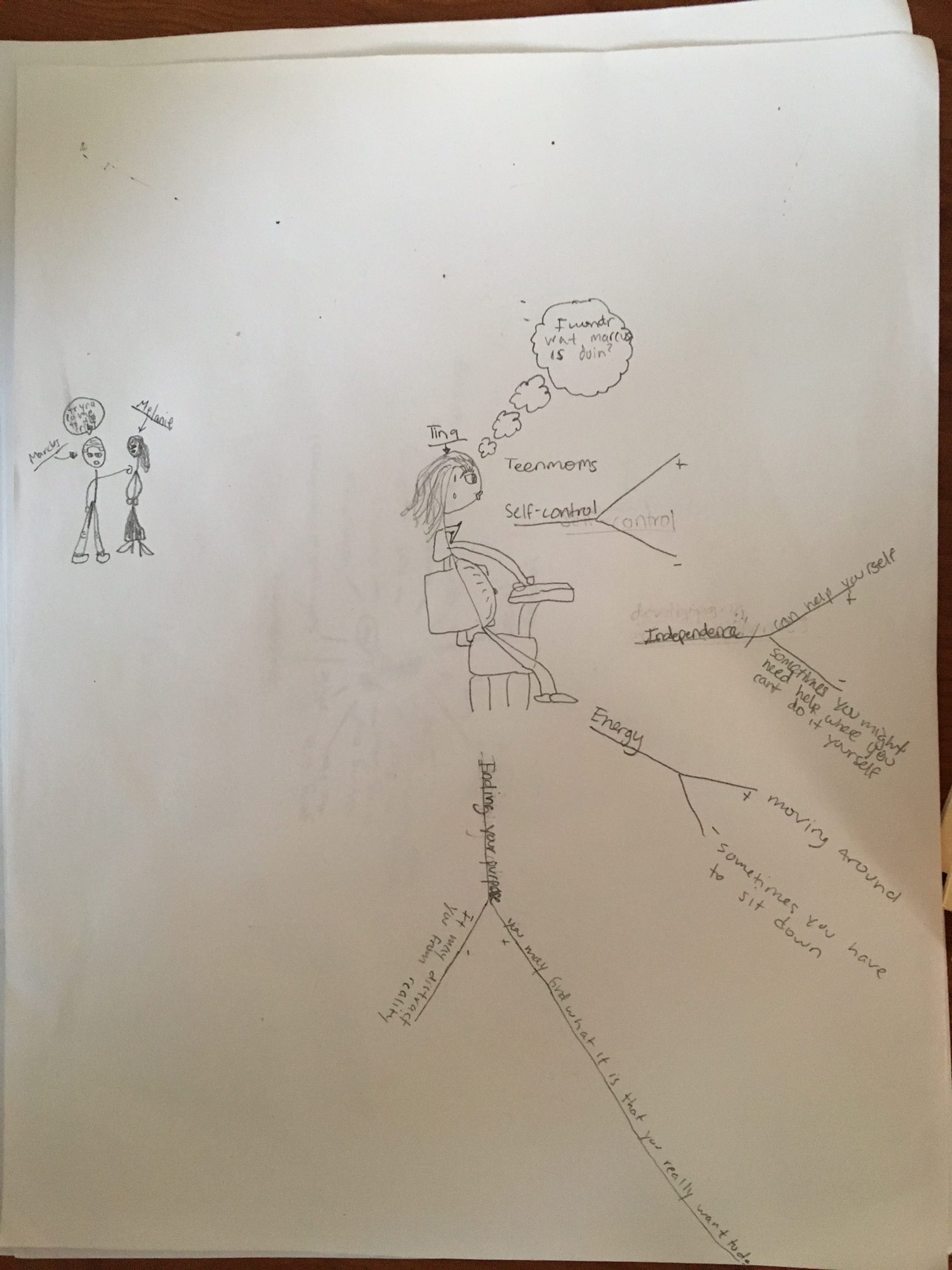
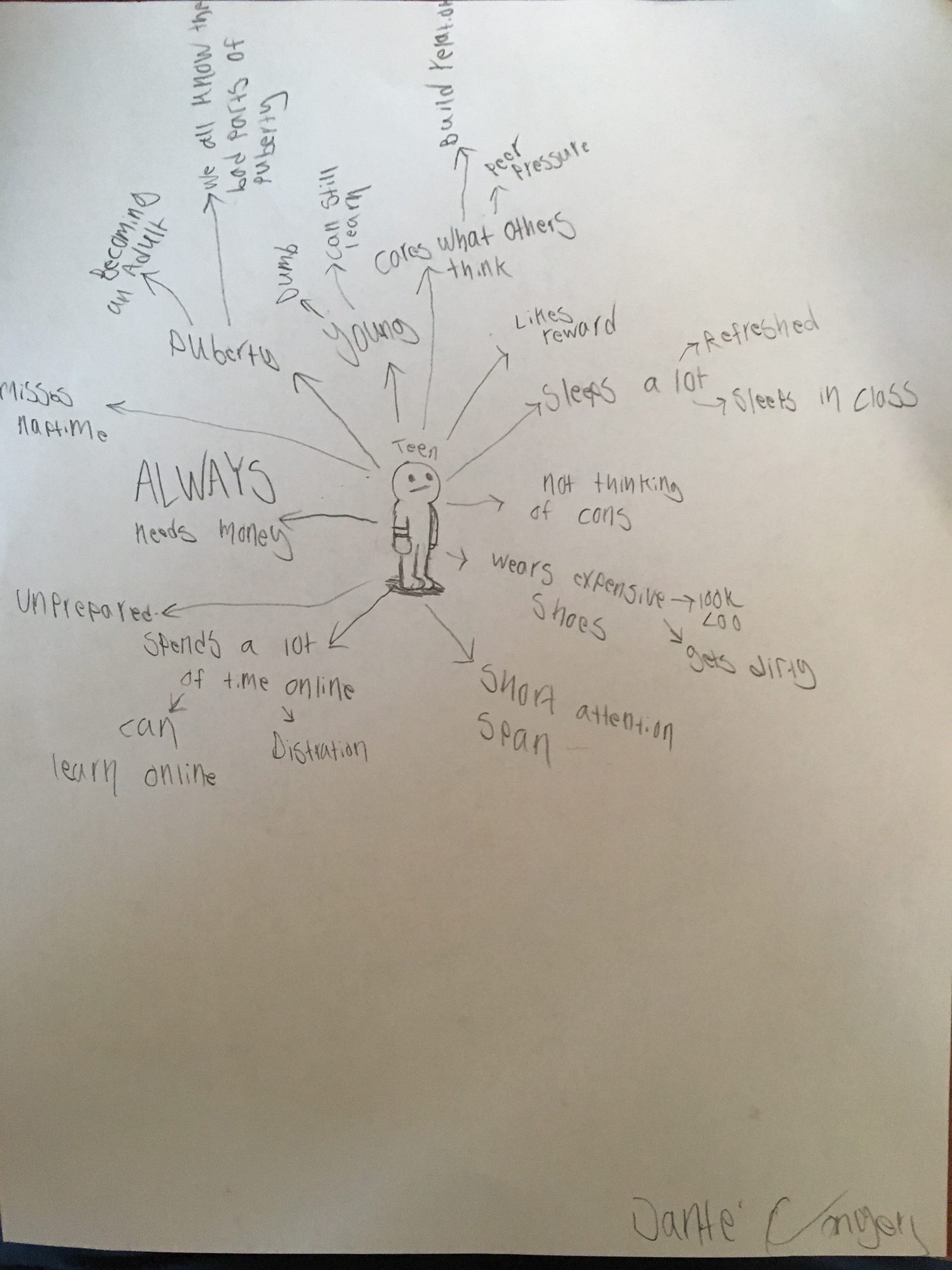
Old school activity today, where you take the deliverable, have the students remind each other what the deliverable is, and then have them write down one idea about what would make it outstanding work. Then you pass the paper every forty-five seconds or so and have them fill up the sheet with ideas. You finish by having everyone read out their favorite answers and collate them into your rubric.
Old teacher trick: Figure out where to sit so you can monitor who is writing what.
Old teacher trick two: Write down what you want on the rubric as the pieces go by so kids can see your expectations and build on them.
Examples of student work for this:
Final Rubric Pieces:
Outstanding Script:
Outstanding Schematic: If a newcomer can build your composter based on your design! Looking at it, someone has an obvious idea about what you will be making; easy to understand and “see” the design. Dimensions are accurate and to scale; the materials and building process are obvious and clearly explained in the sketch/schematic; Multiple drafts; Changes/revisions have been made and with each sketch there is obvious and documentable progress; the method of composting is clear and ensures that compost will be produced within time limit.
Outstanding Proposal: