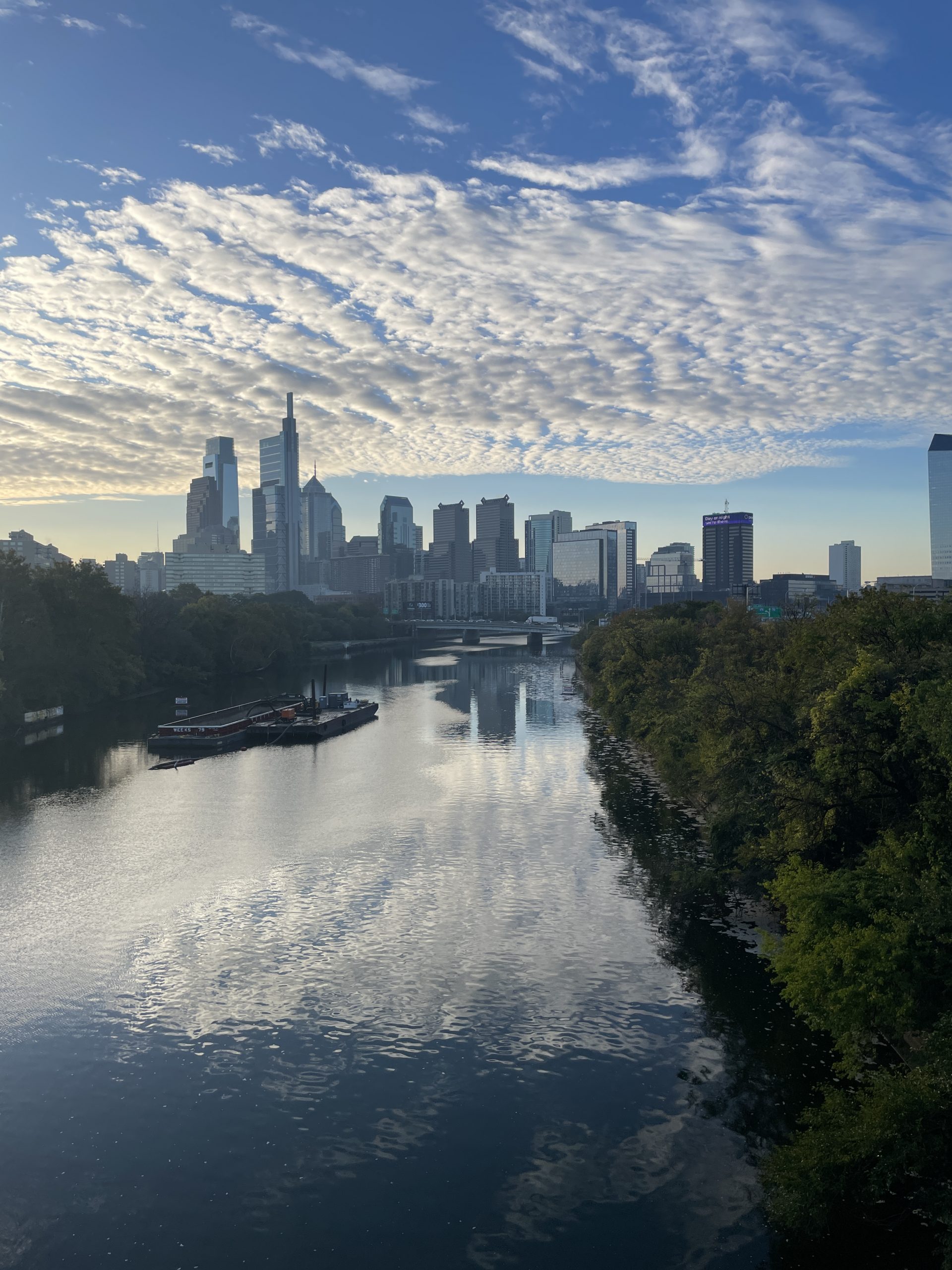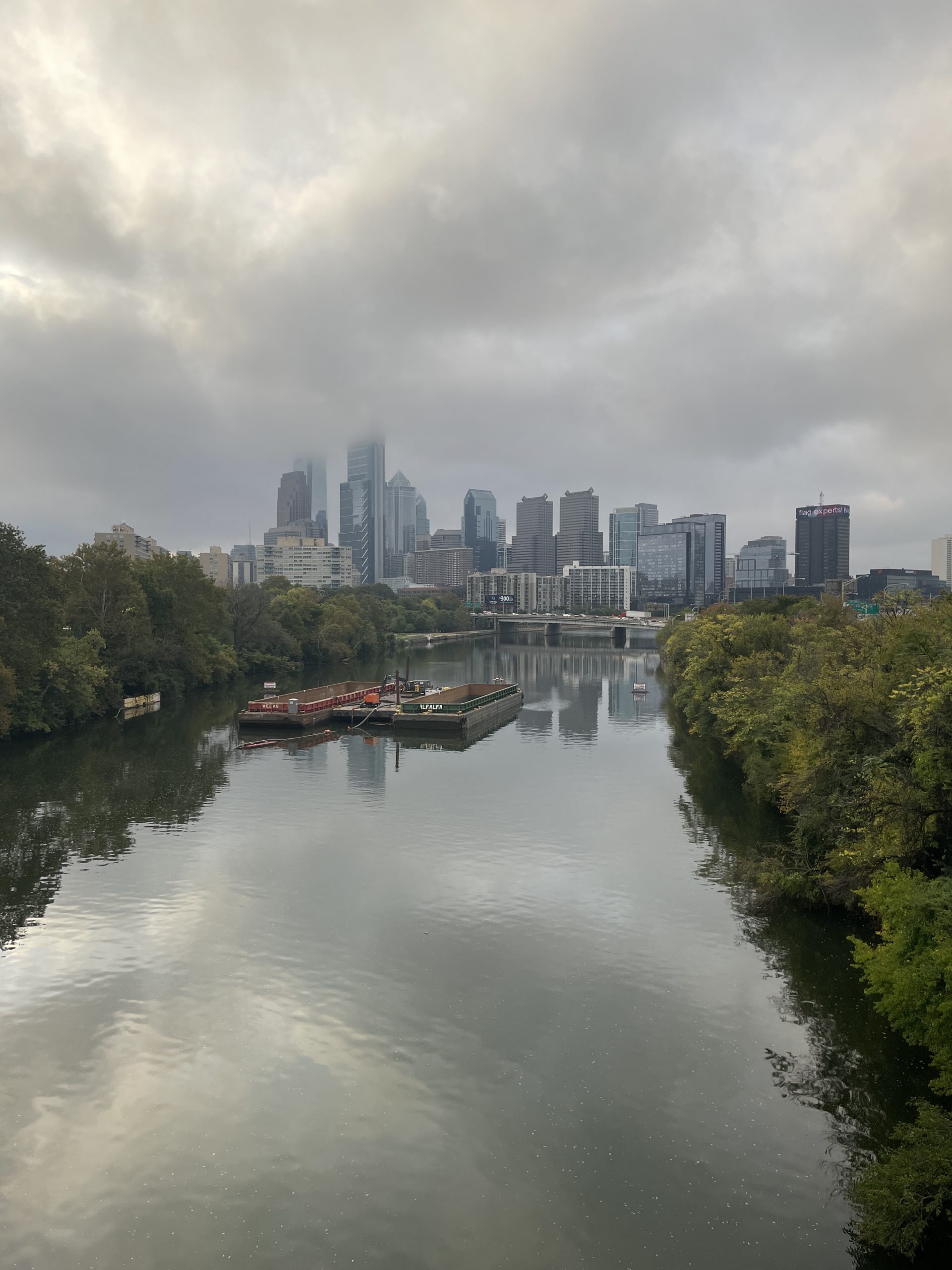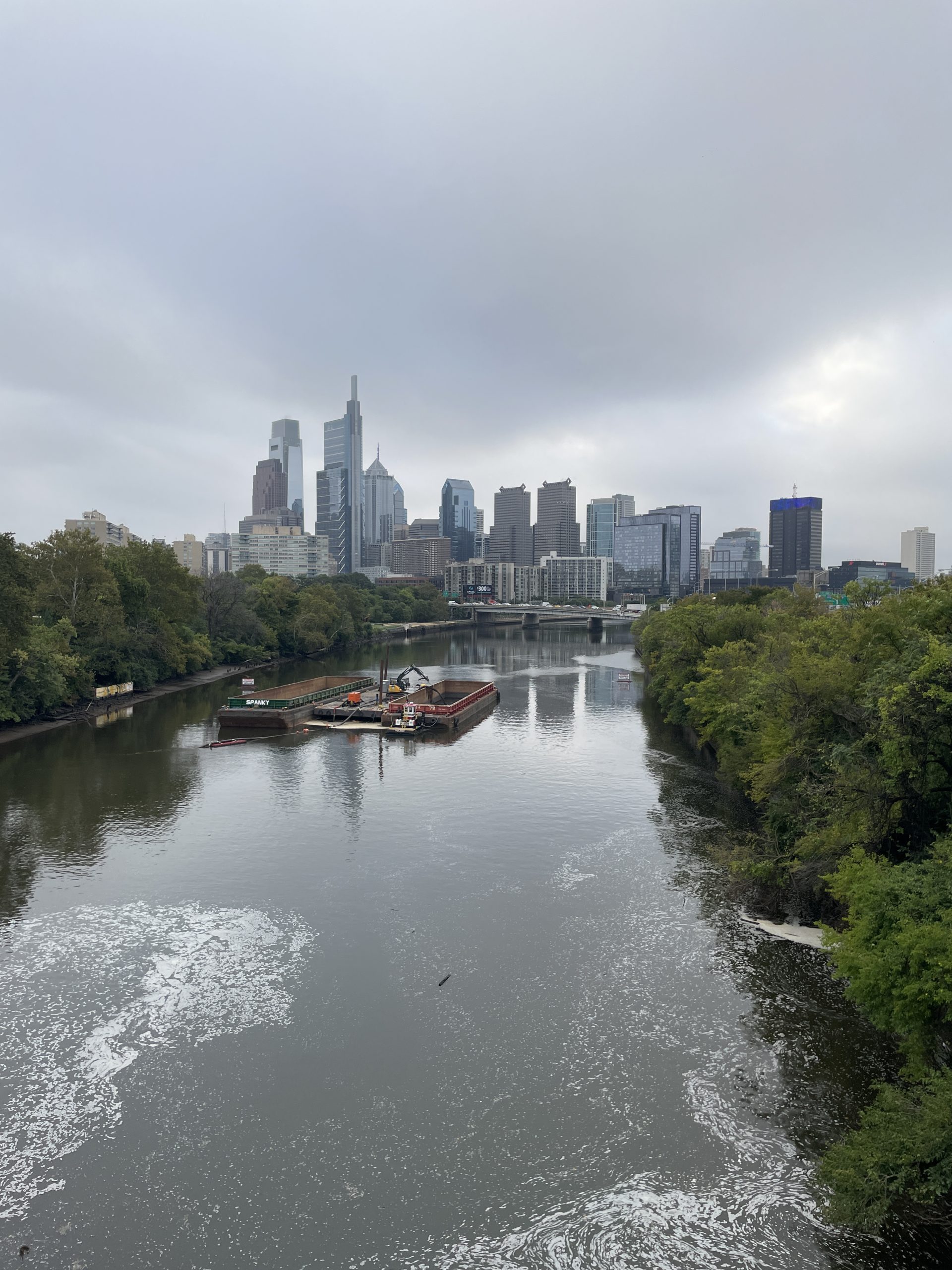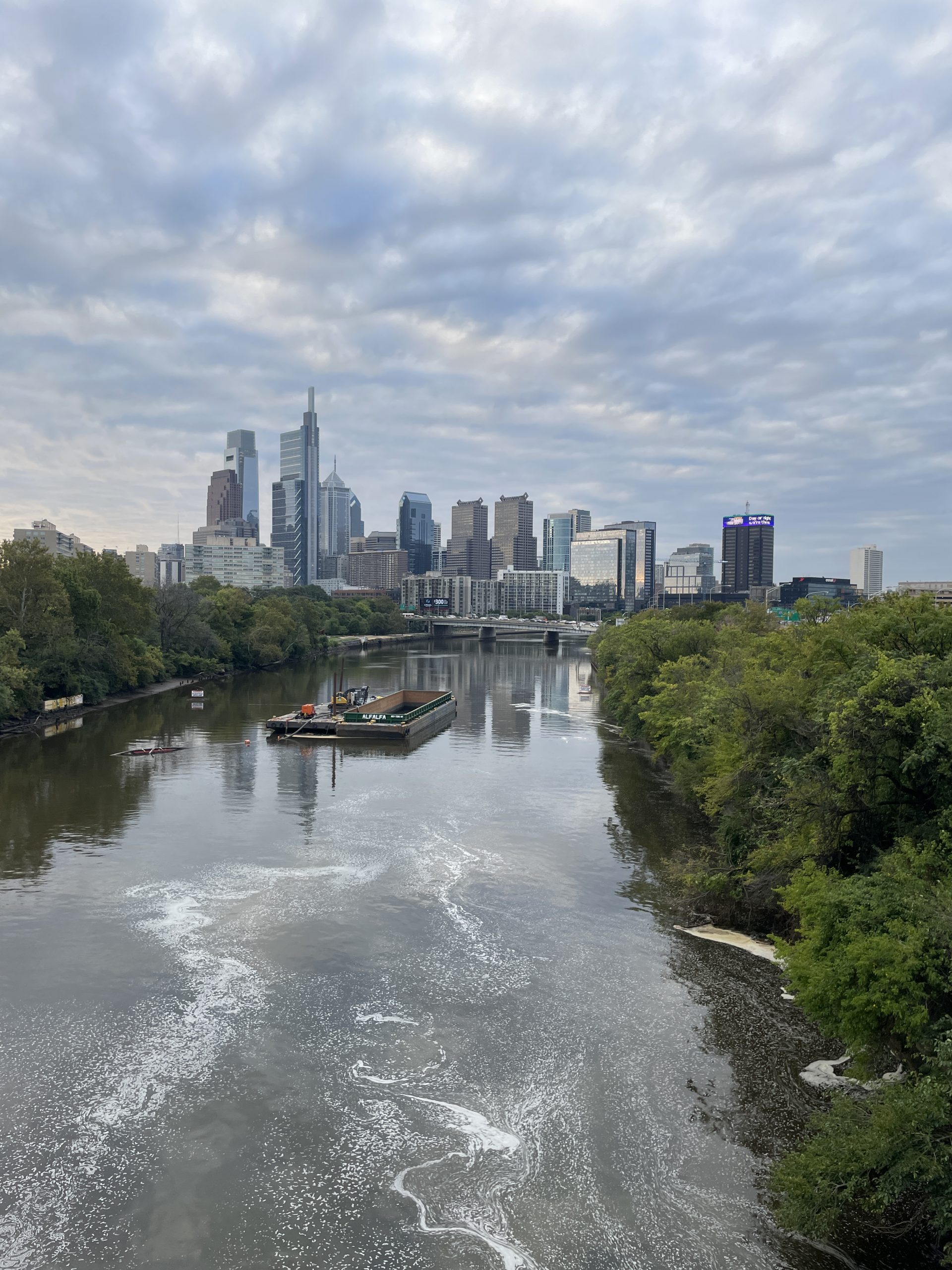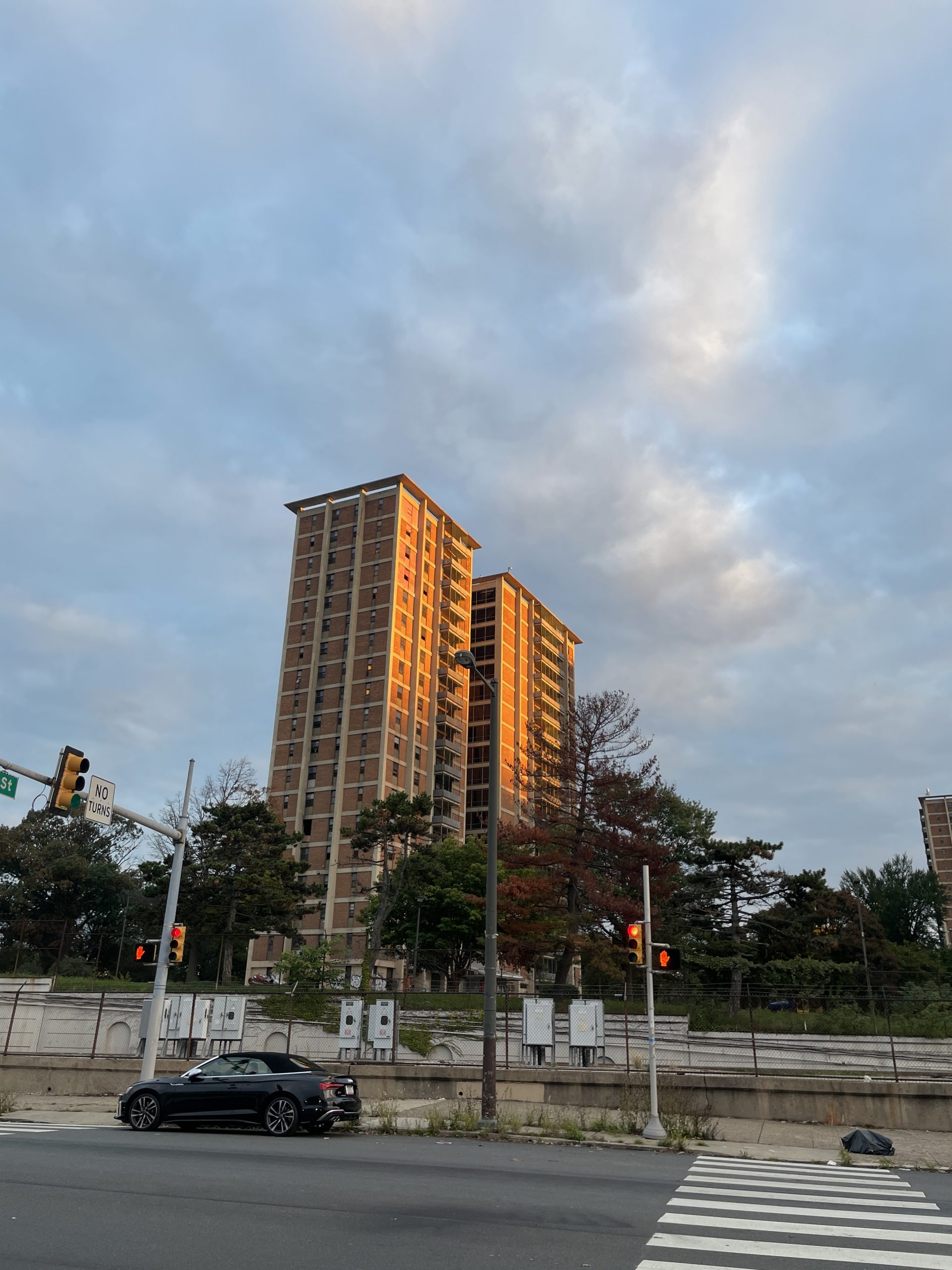
Quiet at Bartram’s this morning.

It’s disheartening how many mattresses one finds strewn around the city. I have to say, though, I love these sheets and wish I had them.

Graffiti on the Newkirk Viaduct monument. Not sure why or what this accomplishes. The gentrifiers who build the railroads in the 1830s and 1840s?

Maybe this explains the origins of the graffiti all over this stretch by Bartram’s.

Or is there something else going on? Some development plan?

This Department of Streets building is clearly being taken down. But I’m wondering if there’s a news story I missed, if there’s a plan afoot for this stretch of Southwest. Is it this? And this?

Other random things:
For the past five years, I’ve began the US History course with a challenge: can you tell the history of the US in sixty seconds? What do you need to say? What do you want to say? What themes are ideas must be part of your explanation?
It’s gone fairly well. It allows me to see what sorts of things remain from past history classes. It provides a window into the kinds of questions the students have about the past. It shows me their understanding of what it means to “do” history as well.
I don’t know, though. This segment from the New York Times — America is — could offer a replacement. The students would love digging through bits of pop culture to find their idea explanation. The series itself offers a kind of template. We could use the pieces as the readings for the first three weeks; it would help them understand the notion of how where you stand, in 2023, shapes how you view the past.
This is a great article, one I’ll certainly use with my students.
If I had the time or the talent, I’d write the follow up:
Why are we so afraid of writing?
I’d talk about how Chat GPT feels like even more of a threat to writing as humans figure out how to cut out key intellectual components from the writing process. I’d talk about how I don’t want my students to grow up to be literary critics but how I do want them to always feel that sitting down to work at a piece of writing can help them figure out the world. I’d talk about the joy one can take from early bits of writing — throwing paint at a canvas — through the later bits — when you’re carefully re-shaping things.