Dear weather,
Thank you for the cold and rain after we’ve bolted.
Signed,
Clapper’s Broccoli

Dear weather,
Thank you for the cold and rain after we’ve bolted.
Signed,
Clapper’s Broccoli
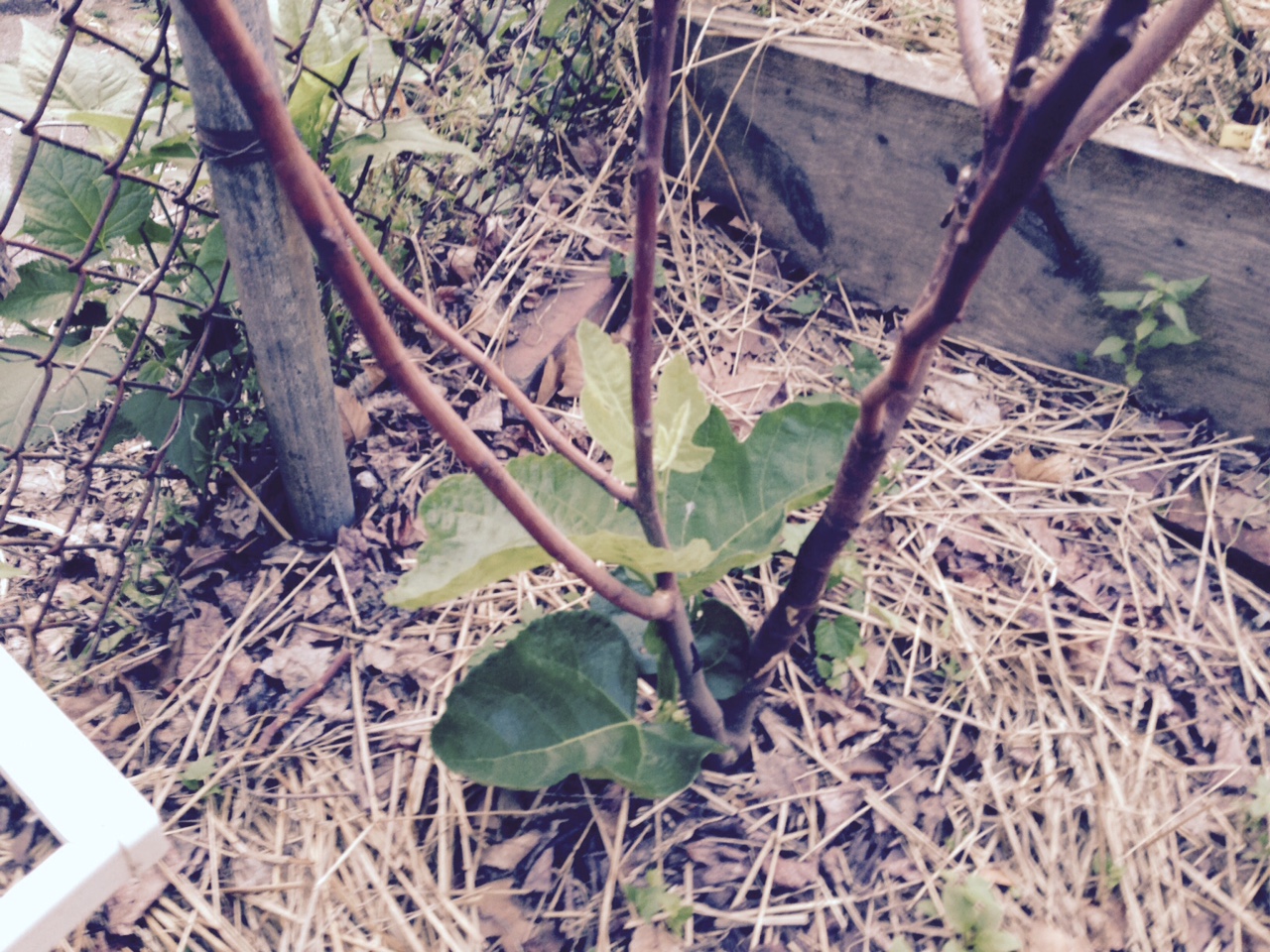
I had replaced an Azalea with this fig tree last year. It didn’t survive the winter but seems to be regrowing from the bottom up. I need to figure out whether or not I should cut off the old stuff.
Saturday morning at 8:30 I arrived for a “Servsafe” Food Safety course. If our school is going to operate a food truck (or a mobile educational vehicle) someone ought to have the appropriate certification. Apart from making sure that people don’t get sick, it’s a legal requirement for the city of Philadelphia.
It was a great experience. Some thoughts, in no order:
1. Being in a class with an instructor who knows the material, knows the purpose of the material, is professional (no late starts, no extended breaks, keeps to an agenda) helped make the eight hour day fly by. It’s trite and obvious, but being with a teacher who genuinely and obviously cares deeply about the material makes everyone feel better.
2. When the entire class is committed, the usual noise about what’s “boring” and “hard” simply does not happen. In this case, everyone needs to pass this test to be legal and avoid harassment by inspectors. There’s some solid information within the text about how to manage a kitchen safely and what foods present the greatest risks. (The class forced me to create a song to remember safe temperatures for various meats, which is also how to stack them in the fridge, roast fish chops, grinds, ducks.)) That being said, it’s mostly about memorizing a few things and hoping that the rest is common sense.
3. It really is amazing how much information people can learn quickly when they have to. Learn might be the wrong word; pack into their head and recall immediately is probably a better description.
4. Finally, the class, like jury duty or the DMV, was diverse in fun and challenging ways. There was a common cause — getting certified so you could get the license from the city — which brought young and old, male and female, black, white, Asian, Hispanic together. Significant class diversity was evident as well. At point the conversation moved off of the material into topics that are great fun to discuss with people who see the world very differently: what is organic food? What are factory farms? Why do people eat what they eat? It made me think about what’s lost in most American schools that are segregated by class and more often than not by race.
Who took my joy…I want it back.
The traditional view of such moments is that they constitute a charming but irrelevant byproduct of youth—something to be pushed aside to make room for more important qualities, like perseverance, obligation, and practicality. Yet moments like this one are just the kind of intense absorption and pleasure adults spend the rest of their lives seeking.
…it was in the work that she came closest to finding herself, by which we don’t mean “self-knowledge” or understanding one’s “true nature” but rather how at some point you can see most plainly that this is what you do, this is how you fit in the wider ecology; in the way she felt fine-tuned, most thoroughly alive, for she could gauge the hardness and pH and trace salinity simply by how it played between her fingers, how it tingled her cheek; she could tell by how the fish were schooling whether they were hungry or stressed or content. And if all of us thought of our work more like this, wouldn’t we be better off?
Lee, Chang-rae. On Such a Full Sea: A Novel. NY: Riverhead Books, 2014.
Yeah, plants that overwintered and that were going to seed, but still…
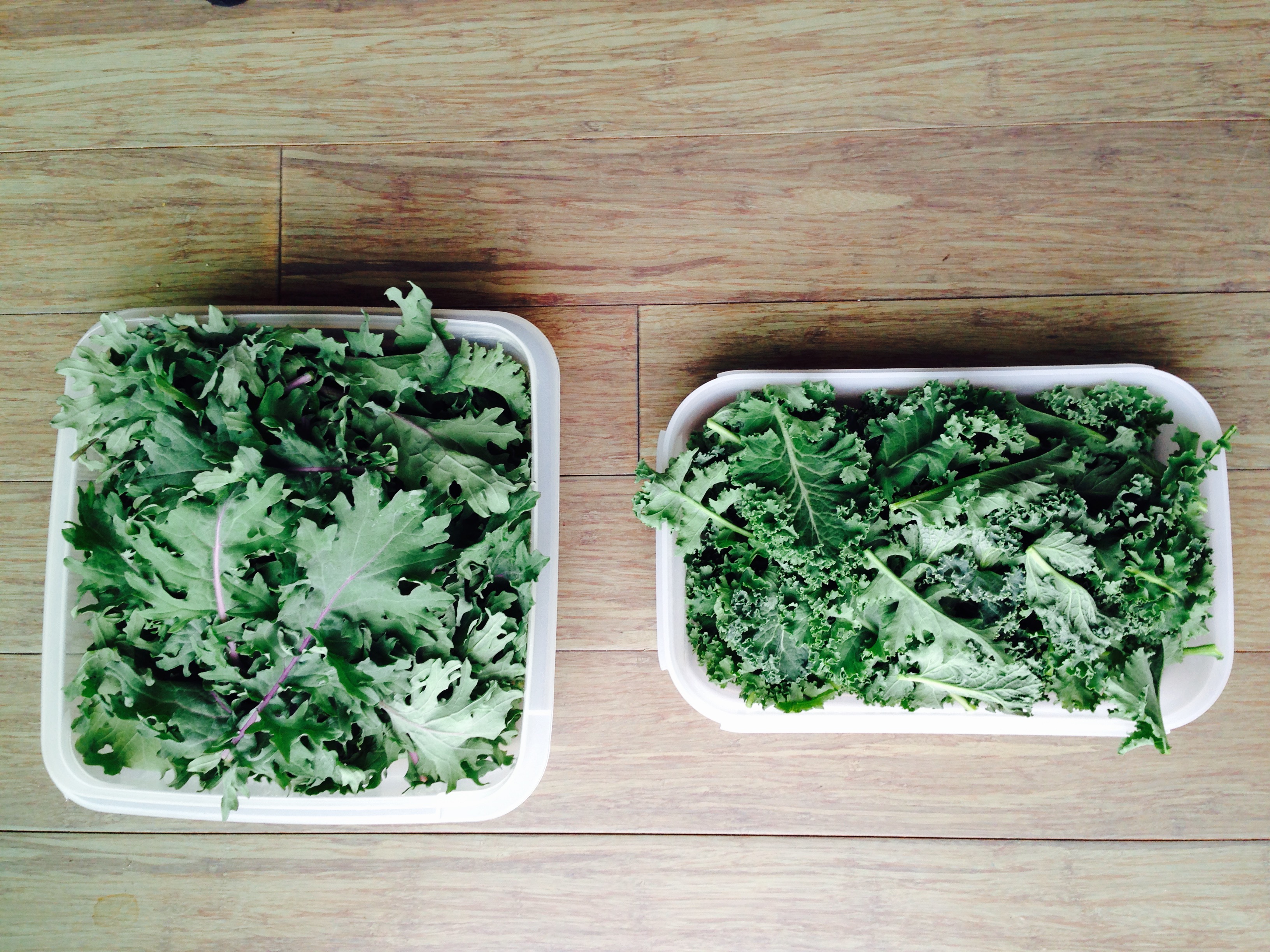
Black Seeded Simpson
Little Gem
Red Mix
Winter
Green Oak
Bronze AA
Ella K
Rougette
Reine Des Glaces
Black Seeded Simpson
Got some row cover because there were three cats prowling the library. THREE. Plus the groundhogs and the squirrels. Photo to follow…
1. What are the small white bugs in my worm compost that don’t seem to have any affect on the worms?
Springtails/white mites
(Reduce moisture in bin; did this by removing bottom (inch of delicious worm sludge and water) and emptying onto street trees. Expecting rain today!
2. What should I do with the Kobashi juice?
One part juice to one hundred parts water.
Source


